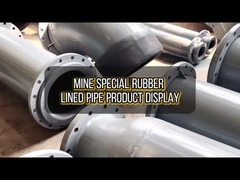
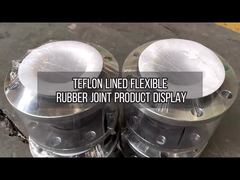
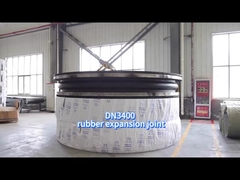
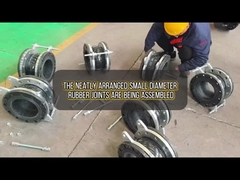
Brief: In this walkthrough, we highlight key design ideas and how they translate to performance. Discover how the Durable Metal Ripple Compensator manages pipe expansion and contraction, showcasing its corrosion-resistant construction, versatile flange compatibility, and application across various industrial piping systems.
Related Product Features:
Designed to withstand high temperatures and pressure for use in harsh industrial environments.
Features a hot-dipped galvanized surface treatment for superior corrosion and rust resistance.
Compatible with a wide range of piping systems, offering a universal solution for multiple industries.
Available with flanges in various materials like carbon steel and stainless steel 304 or 316.
Supports multiple flange standards including DIN, ANSI, and JIS for global application flexibility.
Absorbs thermal expansion, vibration, and mechanical deformation to reduce stress in pipelines.
Offers easy, convenient, and fast installation with customizable models from DN32 to DN3000.
Manufactured from high-quality stainless steel for long-lasting durability and minimal maintenance.
FAQs:
What materials are used for the flange of the Metal Ripple Compensator?
The flange can be made from a variety of materials, including carbon steel and stainless steel grades such as 304 and 316, ensuring a secure and compatible connection with your piping system.
How does the Metal Ripple Compensator handle corrosion?
It features a hot-dipped galvanized surface treatment that provides a protective layer, effectively preventing corrosion and rust to maintain the compensator's condition over many years.
What flange standards are available for this compensator?
The Metal Ripple Compensator is available in multiple flange standards, including DIN, ANSI, JIS, and others, making it suitable for a wide range of international applications and industries.
Can the Metal Ripple Compensator be customized?
Yes, it is customizable with various models from DN32 to DN3000, and options for body materials, flange standards, and certifications like ISO9001 to meet specific project requirements.